
In a country where electricity supply remains unpredictable and energy costs continue to rise; solar power has evolved from being an alternative energy source to a smart investment. Whether for a family home, an office complex, a shopping mall, or an industrial facility, solar energy is increasingly becoming the preferred solution for reliable and cost-effective power.
But while many Nigerians are embracing solar technology, a common question remains: When is the best time to invest in solar panels, and how can they be used most effectively in residential and commercial buildings?
The answer lies in understanding your energy needs, building design, and long-term cost-saving goals.
Why Solar Energy Makes Sense in Nigeria
Nigeria enjoys abundant sunshine throughout the year, receiving an average of 5 to 7 hours of strong sunlight daily in most regions. This makes the country one of the most suitable locations in the world for solar power generation.
With rising diesel prices, increasing electricity tariffs, and the environmental impact of fuel-powered generators, solar energy offers a cleaner, quieter, and more sustainable alternative.
For property owners, solar installations provide:
- Reduced electricity costs
- Greater energy independence
- Increased property value
- Lower maintenance expenses
- Reduced carbon footprint
- Improved energy reliability
When Is the Best Time to Install Solar Panels?
During New Construction
The ideal time to incorporate solar energy is during the design and construction phase of a building.
By planning for solar integration from the beginning, architects and engineers can optimize roof orientation, electrical layouts, inverter locations, battery storage spaces, and cable routing. This approach reduces installation costs and creates a cleaner, more efficient system.
Buildings designed with solar energy in mind are often more energy-efficient and future-ready.
During Major Renovations
For existing properties undergoing renovations or upgrades, this is another excellent opportunity to install solar systems.
Electrical infrastructure can be updated simultaneously, making the integration process smoother and more cost-effective than retrofitting at a later stage.
Before Energy Costs Become a Burden
Many property owners wait until utility bills become overwhelming before considering solar energy. However, investing early allows homeowners and businesses to start enjoying savings immediately while protecting themselves against future increases in electricity and fuel costs.
Solar Panels for Residential Buildings
For homeowners, solar energy provides a dependable source of power for everyday living.
A properly designed residential solar system can support:
- Lighting
- Refrigerators and freezers
- Televisions and entertainment systems
- Air conditioners
- Water pumps
- Security systems
- Internet and communication devices
Best Practice for Homes
Rather than attempting to power every appliance immediately, homeowners should prioritize essential loads and gradually expand capacity as needed.
Combining solar panels with battery storage ensures power remains available during evenings, cloudy days, and grid outages.
Homes with energy-efficient appliances often achieve the best return on investment from solar installations.
Solar Panels for Commercial Buildings
Commercial properties often consume significantly more energy than residential buildings, making solar power an even more attractive investment.
Suitable applications include:
- Office complexes
- Shopping malls
- Hotels
- Hospitals
- Educational institutions
- Warehouses
- Manufacturing facilities
Benefits for Businesses
Businesses can significantly reduce operational costs by generating their own electricity during peak working hours when energy consumption is highest.
Solar systems can power:
- Lighting systems
- HVAC equipment
- Computers and servers
- Elevators
- Security infrastructure
- Production equipment
- Retail operations
For businesses that operate during daylight hours, solar energy can offset a substantial portion of electricity expenses.
The Best Solar Strategy: Hybrid Systems
In Nigeria, hybrid solar systems are widely regarded as the most practical solution.
A hybrid setup combines:
- Solar panels
- Battery storage
- Grid electricity
- Generator backup (if necessary)
This configuration provides flexibility, reliability, and uninterrupted power while reducing dependence on expensive diesel generators.
Hybrid systems ensure that buildings can continue operating efficiently regardless of grid performance.
Factors to Consider Before Installation
Roof Condition and Space
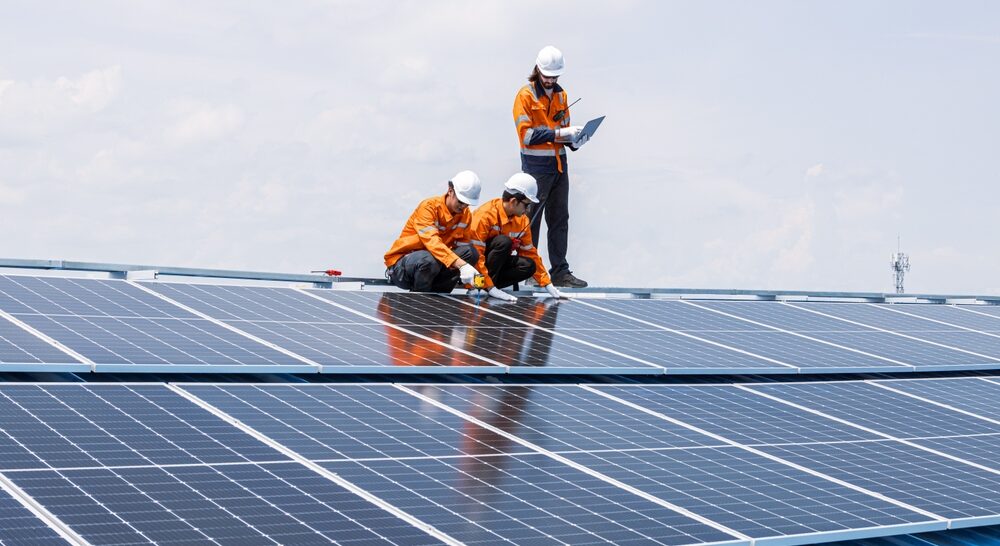
Solar panels require sufficient unobstructed roof space with good exposure to sunlight throughout the day.
Energy Consumption Analysis
Understanding current and future energy demands helps determine the appropriate system size.
Quality Components
Choosing high-quality panels, inverters, batteries, and installation professionals is critical for long-term performance and reliability.
Return on Investment
While solar systems require an initial investment, the long-term savings on electricity and fuel costs often make them financially rewarding over time.
Common Mistakes to Avoid
Many solar installations underperform because of poor planning.
Avoid:
- Undersized systems
- Low-quality equipment
- Improper installation
- Ignoring battery requirements
- Failing to conduct energy audits
- Choosing installers based solely on the lowest price
A professionally designed system will always outperform a poorly planned installation.
The Future of Solar-Powered Buildings in Nigeria
As energy demand continues to grow and sustainability becomes increasingly important, solar technology is expected to play a central role in the future of Nigerian real estate and infrastructure development.
Developers are already incorporating solar-ready designs into residential estates, commercial facilities, and mixed-use developments. Properties equipped with renewable energy solutions are becoming more attractive to investors, tenants, and homeowners alike.
Final Thoughts
Solar energy is no longer just an alternative power source—it is a strategic investment in efficiency, reliability, and long-term cost savings.
For residential properties, solar systems provide comfort, convenience, and energy security. For commercial buildings, they offer a powerful tool for reducing operating costs and improving business continuity.
The best time to adopt solar energy is before rising electricity and fuel costs impact your bottom line. With proper planning, quality equipment, and professional installation, solar power can transform the way homes and businesses operate in Nigeria.
